


Insect Controls
Sustainable Pest Control in Gardens
By Joan Allen - Assistant Extension Educator, UConn Home & Garden Center
Insects and pests are a fact of life in a garden, but sustainable practices can keep them at tolerable levels. Integrated Pest Management (IPM) is the use of a combination of tools to manage pests while minimizing the use of chemicals.
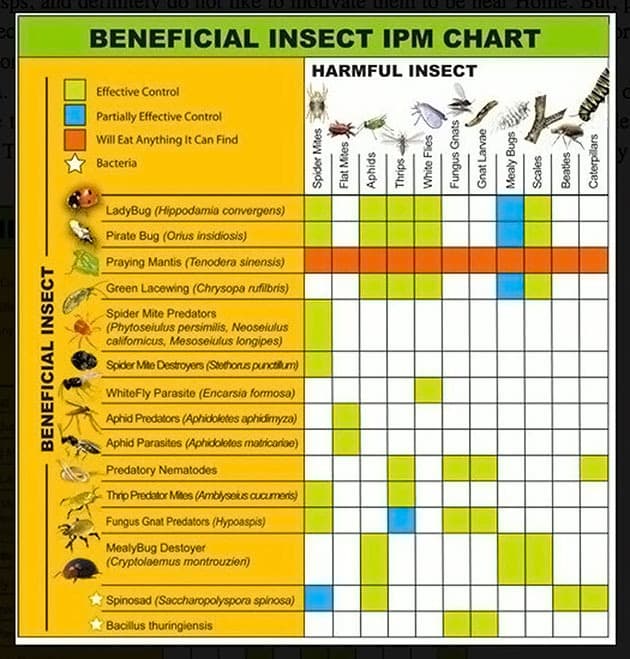
IPM is most effective when used preventively before pests reach damaging levels. Many insects and other arthropods found in the garden are beneficial and prey on or parasitize harmful ones.
Keeping Garden Pests At A Tolerable Level
Pest Identification
Pests must be identified for effective control. Note whether the damage is caused by chewing or by piercing and sucking mouthparts. Pests with chewing mouthparts include beetles, caterpillars and grasshoppers. Aphids, true bugs, leafhoppers, and mites are pests with piercing and sucking mouthparts.
Monitor for Pests and Beneficials
Monitoring is important to detect pests before they reach damaging levels. Check plants for damage and eggs at least 1-2 times per week. Note the presence of beneficial insects, spiders and mites that help keep pest populations at tolerable levels.
Sanitation
Remove overripe produce from the garden. It can attract pests such as picnic beetles and yellowjackets. Keeping the garden area free of weeds can eliminate alternative host plants that harbor some garden pests.
Mechanical Control
Mechanical controls include hand removal of pests or their eggs, barriers and traps. Barriers like floating row covers block access to insects. Collars around plant bases protect from cutworms. A strong stream of water can remove delicate pests like aphids.
Cultural Practices
The goal is to make the environment less favorable for pests. This includes proper site selection, tillage, planting date, fertilization and irrigation. For most vegetables, this means full sun, soil pH of 6.0-7.0, and adequate supply of nutrients and water.
Biological Controls
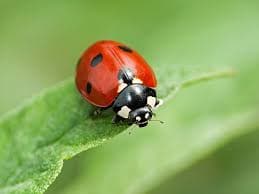
These include living organisms or substances they produce. One lady beetle can consume 100-300 aphids per day. Growing flowers attractive to beneficial insect adults and minimizing chemical use supports natural populations.
Biorational Chemicals
These have low toxicity to the environment, humans and wildlife. Options include botanicals like pyrethrum and NEEM products, horticultural oils, insecticidal soaps, and inorganic insecticides like diatomaceous earth.

Important Reminders
Support Beneficial Insects
A minimal population of pests helps keep beneficial organisms in your garden. Many chemical products kill beneficials along with pests.
Prevention is Key
IPM practices work best when applied before pest populations reach damaging levels. Regular monitoring is essential.